How to cut Swiggy and Zomato commission without losing orders
Aggregators bring new guests, but paying 25% or more on every repeat order adds up fast. Here's how to work out what they really cost and move regulars to direct orders.
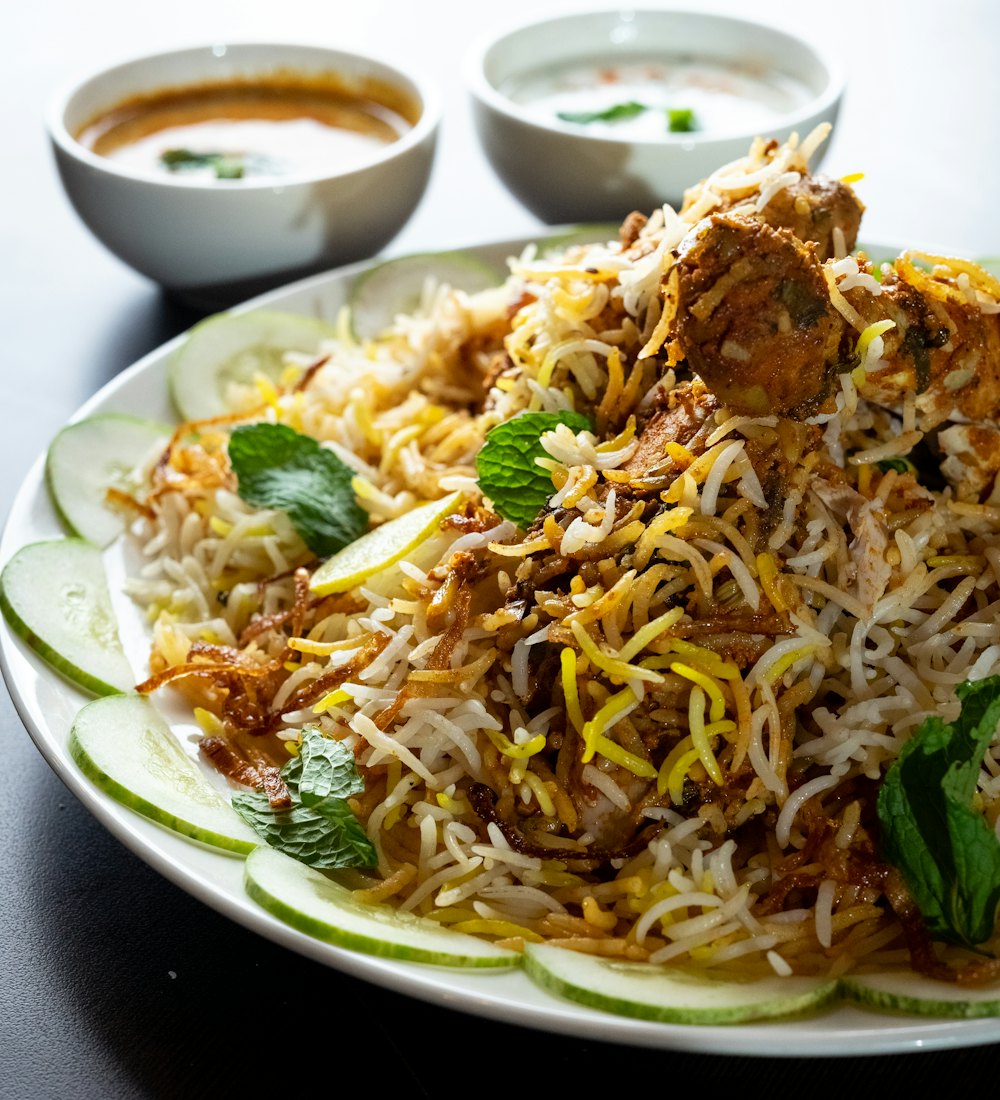
For many restaurants, delivery is now a third or more of sales, and most of it comes through Swiggy and Zomato. The platforms are excellent at one thing: putting your food in front of people who have never heard of you. The trouble starts when the same guest orders from you every Friday and you pay commission every single time.
This guide shows how to work out what aggregators really cost you, and how to move your regulars to ordering directly, without giving up the new guests the platforms bring.
Step 1: Work out the real cost per order
Commission is only the start. Add up everything on one month's payout statement:
- Commission on the order value, at the rate in your contract.
- 18% GST on the commission. A regular restaurant at 5% GST usually can't claim this back, so it's a real cost.
- Payment collection fees charged on online payments.
- Ads and promotions: sponsored listings, banners, "featured" slots.
- Discounts you fund: the share of platform offers that comes out of your payout.
- Penalties and cancellations: refunds for late or wrong orders.
Divide the total by the number of orders. Many owners find the true cost is 30 to 35% of order value once everything is in. On a ₹450 order, that can be ₹140 or more, before food, packaging and staff.
Note: since January 2022 the aggregator collects and pays the 5% GST on the food itself. That's separate from what they charge you.
Step 2: Decide which orders to move
Don't try to move everyone. New guests who find you through the app are worth the commission: without the platform, you'd never have met them. The orders worth moving are the repeat orders from guests who already know you. Look at your aggregator reports for guests who order every week or two. Those are the orders where you're paying for discovery that already happened.
Even moving 15 to 20% of orders makes a real difference. On 600 orders a month at ₹450, moving 120 of them saves around ₹17,000 a month in platform cost. After paying for your own delivery and the payment gateway, that's still roughly ₹11,000 a month, or ₹1.3 lakh a year.
Step 3: Give regulars a reason and a route
Guests stay on the app because it's easy and it's where they look. You need to give them both a reason to switch and an equally easy way to order.
Put your QR code on every parcel
A sticker or card in every delivery bag, with a QR code to your own ordering page, reaches exactly the right people: guests who already ordered and liked your food. Keep the message simple: "Order direct next time and get 10% off". A 10% discount costs you far less than the commission.
Use QR ordering at the table
Dine-in guests who order from a QR code at the table learn your direct ordering link without any effort. When they want your food at home, they already know where to go.
Reward direct orders
Loyalty points, a free dessert on the fifth order, or a small cashback make direct ordering feel worth it. Make sure the reward is clearly better than what the app offers.
Solve delivery
The honest catch: on direct orders, you deliver. Options are your own rider for nearby orders, a delivery partner booked per order, or encouraging pick-up with a small discount. Put your delivery cost into the calculation. If delivery costs you ₹40 an order, direct orders still win comfortably at most commission rates.
Step 4: Keep the platforms working for you
This isn't about leaving Swiggy and Zomato. Keep your listings sharp, your ratings high and your menu up to date there, because they're your best source of new guests. A few habits help:
- Price for the channel. Many restaurants keep aggregator prices a little higher to cover commission, and their own direct prices lower. Check your contract for any rules on this.
- Watch your ratings. Slow orders hurt ratings, which hurts visibility. Track how long each order takes from accept to pick-up.
- Check your payouts. Reconcile what the platform paid against the orders you served, every week.
Step 5: Measure it every month
Track three numbers each month: the share of delivery orders that came direct, your total platform cost, and your cost per aggregator order. If direct orders are rising and the platform cost per order is steady, it's working.
QRkey puts Swiggy, Zomato and your own QR and online orders in one queue, gives every outlet its own ordering page with no commission, and shows orders by channel on the dashboard every morning. But you can start today with a sticker and a QR code. Our free QR code generator makes one in seconds.
Written by the QRkey team for restaurant owners in India. Rates, rules and platform terms change; check the current ones before you decide.