GST on restaurant bills in India, explained simply
Which GST rate applies to your restaurant, what GST is charged on, how discounts and service charge work, and what changes for Swiggy and Zomato orders.
GST on a restaurant bill looks simple until a guest asks why the service charge was taxed, or your CA asks why a bill with a discount doesn't add up. This guide covers the cases most restaurants meet every day.
This is a plain-language guide, not tax advice. Rates and rules change through notifications; confirm anything specific to your business with your CA.
Which rate applies to you
| Type of outlet | GST | Input tax credit |
|---|---|---|
| Standalone restaurants, cafés, dhabas, AC or non-AC | 5% | No |
| Takeaway, delivery and cloud kitchens | 5% | No |
| Restaurants in hotels where any room is priced above ₹7,500 a night | 18% | Yes |
| Composition scheme | You pay a flat rate on turnover yourself | No |
For almost every restaurant, the answer is 5% without input tax credit. That means you charge guests 5% and pay it on, but you can't reduce it by the GST you paid on rent, equipment or aggregator commission. Those taxes become part of your costs.
On a composition scheme, you pay tax on your turnover yourself and must not charge GST to guests. Your bills are "bills of supply", not tax invoices.
CGST and SGST
For a sale within your state, the 5% is split equally: 2.5% CGST and 2.5% SGST, shown separately on the bill. IGST applies to supplies from one state to another, which is rare for a restaurant serving guests at its own premises.
What GST is charged on
GST is worked out on the taxable value:
- Start with the food and drinks total.
- Take off any discount shown on the bill.
- Add service charge, if the guest pays it.
- Add packaging or delivery charges, if you add them.
Then apply the rate. On a ₹1,840 bill with a 10% discount at 5%: the taxable value is ₹1,656, CGST and SGST are ₹41.40 each, and the bill comes to ₹1,738.80, rounded to ₹1,739.
If your menu prices include GST
Some restaurants, especially cafés and QSRs, show prices that already include GST. Then the tax sits inside the price: a ₹105 item at 5% is ₹100 of food and ₹5 of GST. Your bill still has to show the tax separately, so your billing system must work it out backwards from the price.
Service charge
The Central Consumer Protection Authority's 2022 guidelines say a restaurant can't add a service charge to the bill by default or make it compulsory; it's up to the guest. If a guest does pay it and it's on the bill, GST applies to it at the same rate as the food.
Alcohol
Alcoholic drinks aren't under GST. Bars charge state VAT on liquor, at rates set by each state, and GST on food. Most bars show them as separate sections or separate bills so each tax is clear.
Swiggy and Zomato orders
Since 1 January 2022, the aggregator collects and pays the 5% GST on food ordered through its app. You don't add GST to those orders yourself, but you still record them in your sales. The commission and fees the aggregator charges you carry 18% GST, and as a 5% restaurant you usually can't claim that back.
What your bill should show
- Your name, address and GSTIN.
- A unique, serial bill number and the date.
- Each item with quantity and amount.
- Discounts, charges, the taxable value, and CGST and SGST (or IGST) with their rates.
- The round-off and the total.
Your FSSAI licence number should also be on the bill.
Making it automatic
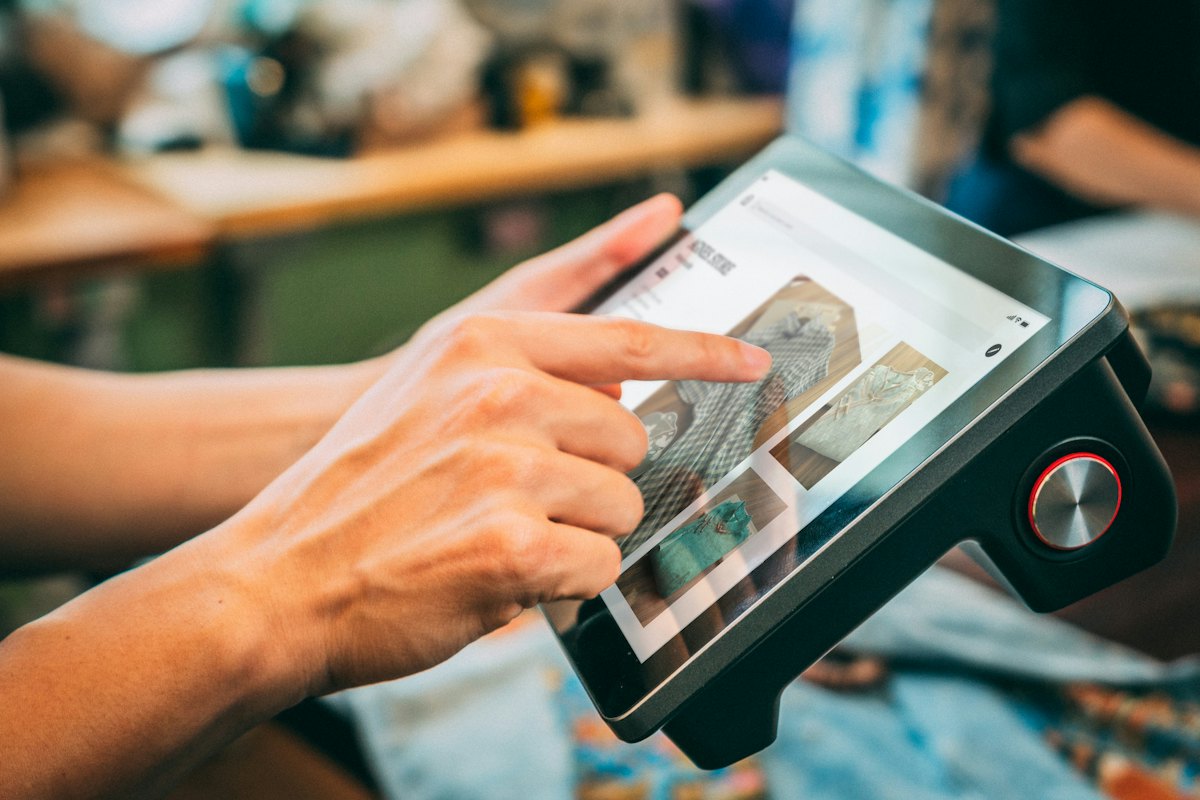
Getting GST right by hand on every bill during a rush is how mistakes happen. A POS that knows each item's tax, applies discounts in the right order and rounds consistently takes the problem away. QRkey sets up your taxes once, applies them per item and section, and prints CGST, SGST and round-off on every bill. To check a bill by hand, use our GST bill calculator.
Written by the QRkey team for restaurant owners in India. Rates, rules and platform terms change; check the current ones before you decide.