Food costing: how to price your menu for profit
A practical way to cost every dish, set a food-cost target, and price your menu so the dishes you sell most also make you the most money.
Ask ten restaurant owners how they priced their menu and most will say they looked at what the place down the road charges. That's a fair starting point, but it says nothing about whether your dish makes money. Food costing is how you find out.
What food cost means
Food cost % is the cost of the ingredients on one plate, divided by the menu price before GST. If a Paneer Tikka costs ₹70 in ingredients and sells for ₹250, its food cost is 28%. The other 72% has to pay for rent, salaries, gas, electricity, packaging, marketing and, finally, your profit.
Many Indian restaurants aim for an overall food cost of 25 to 35%. Fine dining and premium meat and seafood run higher; cafés with lots of beverages run lower. The exact number matters less than knowing yours and keeping it steady.
How to cost a dish properly
- Write the recipe for one plate. Every ingredient, in grams or millilitres, including oil, butter, garnish and the chutney on the side.
- Price each ingredient by what you pay. If paneer is ₹400 a kilo and you use 150 g, that's ₹60.
- Allow for yield. If 15% of an onion is lost in peeling and trimming, only 85% is usable, so each usable gram costs more. Chicken on the bone, prawns and leafy greens can lose 20 to 40%.
- Add the extras. Packaging for takeaway, the papad, the lemon wedge, the onion salad. Small things add up.
Do this for your top 20 dishes first. They usually make up most of your sales, and you'll learn more from them than from the whole menu.
From cost to price
Once you know the plate cost, divide by your target food cost to get a price. A ₹70 plate at a 30% target is ₹233. Then round it in a way guests like: ₹239 reads cheaper than ₹240 and feels more considered than ₹233. Finally, add GST to see what the guest pays: at 5%, ₹239 becomes about ₹251.
Check the result against what nearby restaurants charge. If you're far above, look at the recipe and portion before you look at the price. If you're well below, you may be leaving money on the table.
Think in rupees, not only percentages
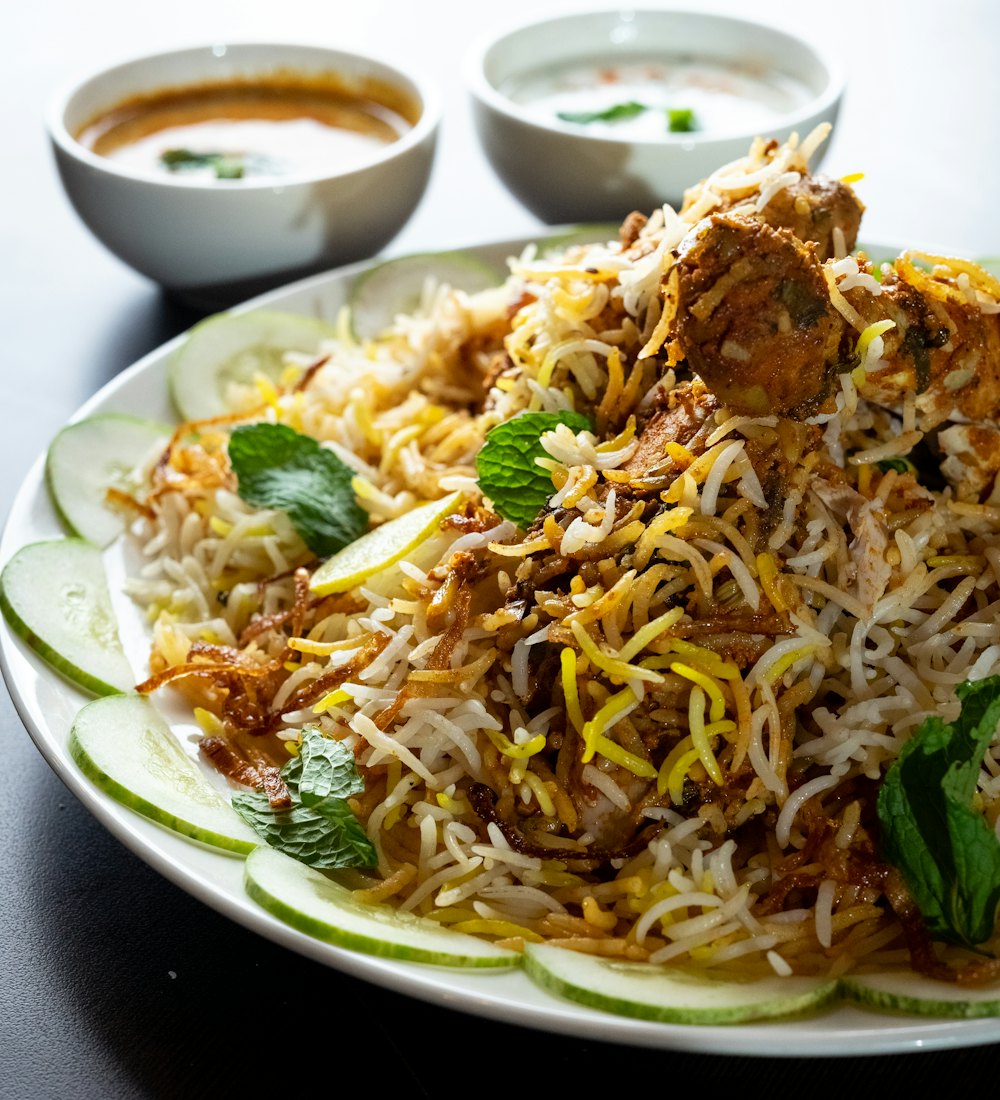
A biryani at 35% food cost that sells for ₹380 leaves you ₹247 a plate. A dal at 20% that sells for ₹180 leaves ₹144. The biryani has the "worse" percentage but makes more money per plate, and if it's your best seller, it's carrying the menu.
Look at each dish on two things: how much it makes per plate and how often it sells.
- Sells well, makes good money: protect it. Keep the recipe consistent and the price steady.
- Sells well, makes little: re-cost the recipe, trim the portion slightly or raise the price a little.
- Sells little, makes good money: give it a better spot on the menu or a staff recommendation.
- Sells little, makes little: consider removing it. Every dish on the menu costs you stock, prep time and space.
Keep your costing true
Costing once isn't enough. Prices of dairy, oil, onions and tomatoes move through the year, and a recipe costed in March may be wrong by October.
- Re-cost your best sellers every month, or whenever a big ingredient jumps in price.
- Standardise portions with recipe cards, scoops and ladles. Portion drift quietly adds points to food cost.
- Record wastage and staff meals. If they aren't written down, they appear as a gap between what your recipes say you used and what actually left the store room.
- Compare theory with reality. Take stock at the start and end of the month and compare what you used with what your recipes say you should have used. A gap of more than 2 to 3% is worth investigating.
Tools that help
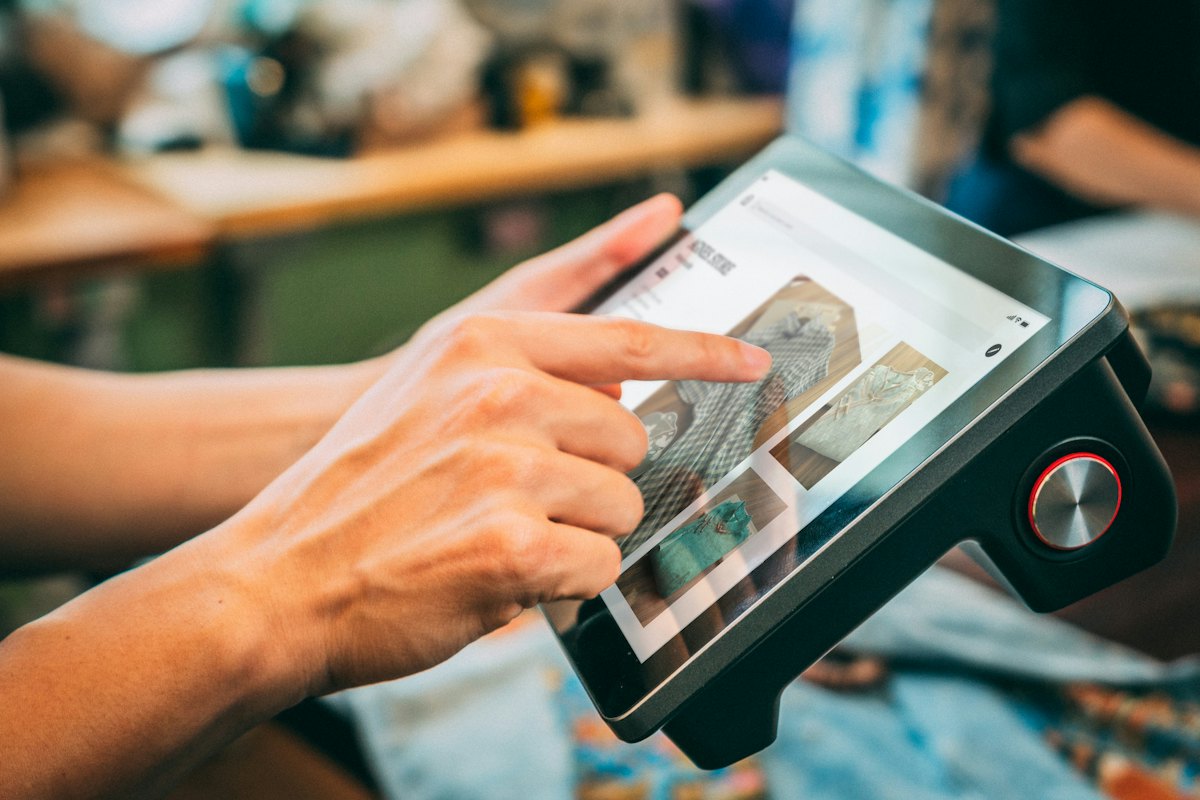
For a quick check, our free food cost calculator works out plate cost with yield, food-cost % at your price and a rounded price for your target. In QRkey, recipes link each dish to its ingredients, so stock comes off as you sell, the recipe screen shows each dish's ingredient cost next to its price, and the dashboard shows your best sellers and slow movers every day.
Written by the QRkey team for restaurant owners in India. Rates, rules and platform terms change; check the current ones before you decide.